
Introduction
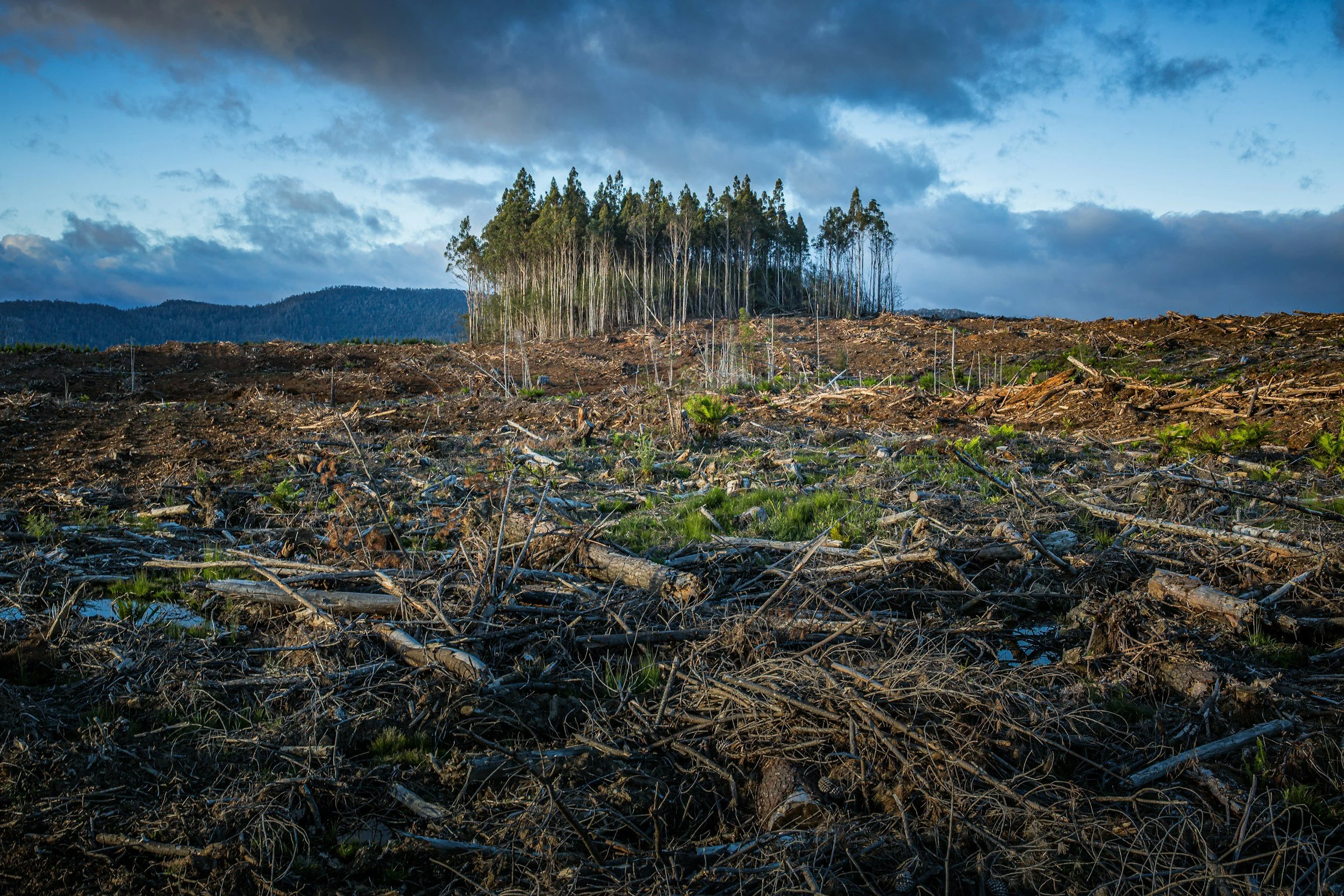
Growing up, I realized that I was the richest little girl. I breathed fresh air, had access to clean water, and there were few vehicles in Nantabulirwa, which meant limited pollution and cleaner air. A decade later, Namanve Forest Reserve was transformed by large industrial development schemes under the management of Uganda Investment Authority. The result has been increased emissions, rampant floods, as runoff water now flows into residential areas due to infrastructure development in wetlands, and rising waterborne diseases. Experts highlight that deforestation of Namanve Forest Reserve has contributed to pollution, which may exacerbate eutrophication, negatively affecting the aquaculture in water bodies like Lake Victoria, where many livelihoods are sustained.
As a child, I grew up in the green community of Nantabulirwa, about 10 kilometers from Uganda’s capital Kampala, surrounded by the Namanve Wetland and Forest Reserve. Moving through that dark, cold forest in the wee hours of the morning on my way to school, I envied my classmates who lived in urban areas and owned secondhand cars. When I fell sick, my mother would rush to Namanve Forest to collect herbs for treatment. My parents were subsistence farmers with a small but fertile plot of land and reliable rainfall. They often produced surplus food to sell for income.
Climate Change as a Global Health Threat
Many communities around the world do not fully recognize the impact of climate change on human health until its consequences become unavoidable. From political leaders who dismiss climate change as a hoax to communities already experiencing its effects, the Lancet Commission on Global Health describes climate change as the greatest global health threat of the 21st century.
The World Health Organization notes that climate change may bring limited benefits, such as fewer winter deaths in temperate climates and increased agricultural productivity in some regions. However, it warns that climate change is expected to cause approximately 250,000 additional deaths per year between 2030 and 2050, including:
38,000 from heat exposure in elderly populations
48,000 from diarrheal diseases
60,000 from malaria
95,000 from childhood undernutrition
Health Impacts of Rising Temperatures
Climate change-related exposures affect people and communities differently. Impacts vary according to where a person lives, their sensitivity to health threats, exposure to climate change, and adaptation to change. The severity of health risks associated with climate change depends on the public health and safety systems’ ability to address the threats, and individuals’ behavior, age, gender, and economic status. The CDC describes floods as one of the deadliest weather-related hazards in the United States, second only to extreme heat.
The National Center for Biotechnology Information stipulates that extremely high air temperatures caused by climate change directly contribute to deaths from cardiovascular and respiratory disease, particularly among elderly people, since prolonged exposure to heat leads to overload of natural defenses and the body’s inability to preserve thermal homeostasis. Young children, pregnant women, older adults, and people with certain medical conditions are less able to regulate their body temperature, thus increasing vulnerability to extreme heat, resulting in heat stroke and dehydration. For instance, the heat wave of summer 2003 in Europe recorded more than 70,000 deaths, with the death toll highest among seniors.
Flooding and Waterborne Disease
Climate scientists state that humans are the primary cause of long-term climate change, with factors such as car exhaust, factory chimneys, and forest clearance responsible for the exceptional level of global warming. The man-made practices of destroying the environment automatically welcome severe flooding in certain regions of the world. The CDC describes floods as one of the deadliest weather-related hazards in the United States, second to heat, while altered patterns of precipitation and rising sea levels are believed to increase the frequency and intensity of floods in many regions of the world.
In Kenya, floods occur in some river basins with normal rains, which is attributed to excess surface water runoff due to poor land practices such as deforestation, land degradation upstream, and poor cultivation methods. The human health consequences of flooding include: drowning, injuries, and increased incidences of mental disorders like depression and isolation.
Post floods, deaths and injuries not only result from the physical characteristics of the event, but are also determined by the prevailing socioeconomic and health conditions of the community and any endemic infectious diseases. Increased rates of cholera and dysentery, respiratory infections, hepatitis A and E, and typhoid have been described as occurring after floods in developing areas. In October 2009, Kenya had a major cholera outbreak with 11,769 cases and 274 deaths.
Water Security and Environmental Health
Water is one of the most important components of health, occupying 60% of the human body. Hydrologists estimate that the average annual flow of all the world’s freshwater ranges from 35,000 to 50,000 km³. However, with a combination of geographical, environmental, and financial factors, increased pollution from industrial waste, the leaching of fertilizers and pesticides used in agriculture, only one third of the world’s potential fresh water can be used for human needs. Warmer water creates a more hospitable environment for some harmful algae and microbes to grow. Certain marine bacteria that make humans sick are more likely to survive and grow as oceans get warmer.
Sustainable Practices and Policy Responses
Sustainable Development Goal 13 calls for urgent global action to combat climate change and its impacts. Efforts include measures to reduce non-renewable energy consumption and shifting the construction of residential or industrial infrastructure to avoid high-risk areas. Adaptation measures embedded within climate-change policies can, by design, reduce vulnerabilities and risks through enhancing the adaptive capacity of communities and economies. Policies and individual choices have the potential to reduce greenhouse gas emissions and produce major health benefits. For instance, cleaner energy systems, cycling and walking as alternatives to using private vehicles have the possibility of reducing carbon emissions, and cut the burden of household air pollution which causes 4.3 million deaths and air pollution which causes 3 million deaths every year.
Awareness raising is one of the cheapest and most sustainable practices that can positively impact climate change. UNESCO acknowledges that education helps people understand and address the impact of global warming, increases climate literacy among young people through attitude and behavior change, and adaptation to climate change-related trends. Education and awareness-raising enable informed decision-making, increase adaptation and mitigation capacities of communities, and empower people to adopt sustainable lifestyles. This can be achieved through promoting community outreach Programmes where churches, schools, and media inform communities on the importance of sustainable practices of environmental conservation and the health effects of destroying the environment.
With the influx of technology and increased access to mobile phones around the world, several climate adaptation portals like the World Bank Climate Change Knowledge Portal have been developed as “one-stop shops” for climate-related information, tools, and linking partners involved in addressing climate change. However, companies should continuously play a role in raising awareness among their employees, consumers, and other stakeholders. This can be done through organizing in-house contests, hackathons, or campaigns to raise awareness on sustainability issues.
Strengthening Environmental Governance
Governments must balance economic development with biodiversity conservation. Sustainable development should not come at the expense of ecosystems or public health. Sustainability connotes a balance between material and time, environment and the future. In countries like Uganda, it has been evidenced that the more the government gives out fragile ecosystems’ lands to investors, the more Uganda experiences environmental hazards such as floods and prolonged drought. Polanyi highlights that the market has devalued everything society would value and encroached on life by taking over everything through the commodification of nature, thus increasing environmental impact. Governments around the world should embark on massive tree planting exercises where all stakeholders are encouraged to plant trees.
Institutions should promote environmentally friendly ways of working. COVID-19 has taught us that people can still work virtually and still achieve the desired objectives. Fournier (2017) highlights some ways of working in a more ecological way, like telecommuting and video conferences, to avoid employees traveling by car for meetings. He highlights that paper products also have a strong environmental impact, as does computer work and the Internet because of servers. Sometimes, avoiding copying an entire company in an e-mail that only concerns one department can save a lot of carbon emissions.
Conclusion
Climate change is not only an environmental issue. It is a public health crisis. Protecting ecosystems, promoting sustainable practices, and strengthening environmental governance are essential steps toward safeguarding human health and future generations.
