
Photo credit: Infrastructure magazine
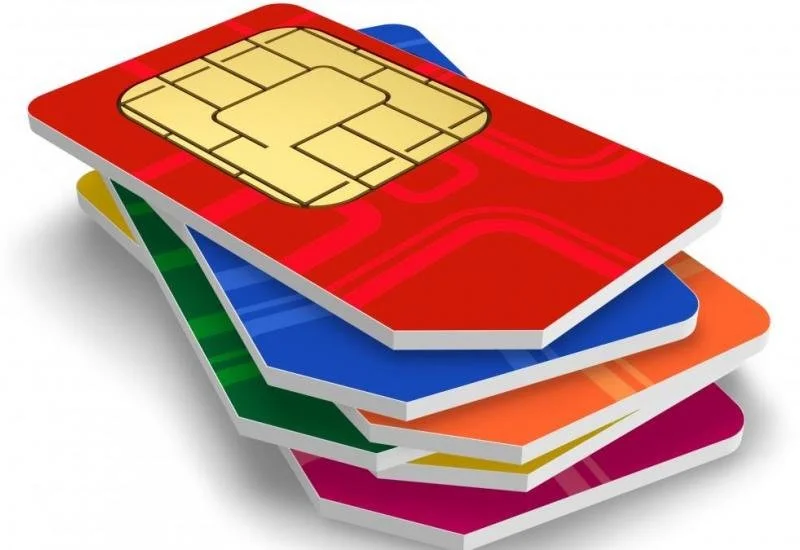
In April 2017, the Uganda Communications Commission (UCC) issued a seven-day ultimatum requiring Ugandan citizens to register their SIM cards with telecom service providers using their national identity cards or risk deactivation. The move by the government is defended on the grounds of safeguarding national security and curbing crime in Uganda.
While the decision behind the initiative may qualify as positive, the requirements asked of citizens to register their SIM cards are problematic. SIM cards belong to individuals who purchase them for personal use. However, the deactivation and registration deadline was agreed upon by a selected committee comprised of the Police Chief, UCC officials, and service providers from different Telecom companies. This created a transparency concern because decisions affecting millions of users were discussed by a small group of stakeholders without meaningful public engagement.
In a transparent environment, sharing information with all stakeholders is very important. Ugandan citizens deserve better transparency through sharing information and sensitization from UCC as to why SIM card registration is important, and the reasons for the preference of the national ID, unlike other nationally issued identifications. This will result in good cooperation from the wider public, less speculation, and rumors.
Being open and honest about all aspects in a given environment is advantageous, because it positions you in such a way that you can quickly and efficiently respond to problems and controversy if they arise.
Uganda’s Data Management Challenge
Uganda has other agencies like the Ministry of Internal Affairs, where the national passport issuance agency i.e the Directorate of Citizenship and Immigration, is housed. Before obtaining a Ugandan passport, verification and recommendation from local leaders, birth certificates, recommendation from Ugandan passport holders, etc., are required.
In fact, the data requested by the Passport issuance agency is substantial and good enough for the National Identification and Registration Authority (NIRA) to update its systems. Further still, we also have Face technology, which issues out computerized national driving permits, and without it, one can never traverse Ugandan roads. Obtaining this too requires verification from police, doctors during eye check, amongst others.
Despite having citizens’ bio-data with different agencies in addition to the growth of the ICT sector in Uganda, there is a missing link regarding the data harmonization and management framework between the data-based agencies. This automatically brings us to the data-management theater Uganda is facing now!
Where is the problem
Uganda does not have a harmonized data management portal where key citizen information is securely posted, kept, and updated. In fact, the SIM card registration ultimatum exposed a lot of data management loopholes within the government agencies.
If Uganda had just one institution responsible for data management and safety, information from the Face technology, the Directorate of Citizenship and Immigration, the National Social Security Fund, the police, etc., would be easily harmonized. In any case of loopholes, citizens would be informed to update their information.
Without a harmonized system, a person can easily use a deceased’s details to register his/her SIM simply because the system tracking death and birth is independent of the issuing national IDs.
The SIM registration exercise itself has exposed the poor cooperation between some government agencies in Uganda. For instance, if UCC could only cooperate with the ICT agency and others having citizens’ data, it would be simpler to access the information required of citizens.
The government could consider the following actions:
Harmonize national registration databases with NIRA to reduce duplication of services and improve data accuracy.
Conduct public sensitization campaigns explaining the purpose and benefits of SIM registration rather than relying on abrupt ultimatums.
Avoid framing the national ID primarily as a SIM registration tool, as this may reduce public understanding of its broader national identification purpose.
